
10 Low-Maintenance Plants That Thrive With Almost No Care
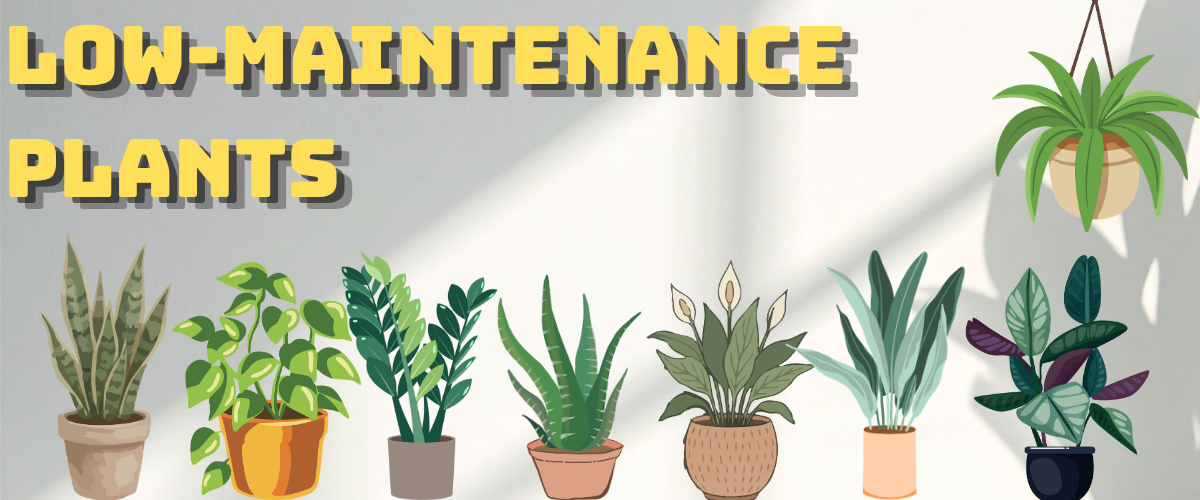
Introduction
Not everyone has the time, energy, or patience to care for demanding plants, and that is completely fine. The good news is that many plants actually prefer to be left alone. Low-maintenance plants are perfect for beginners, busy people, or anyone who wants greenery without the stress of constant care. These plants are resilient, adaptable, and often thrive even when you forget to water them now and then.
Choosing the right plants can make a huge difference in your experience. Instead of struggling to keep high-maintenance species alive, you can enjoy steady growth and a healthier environment with minimal effort. This guide will walk you through ten of the best low-maintenance plants that are known for their durability and ease of care. You will also learn what makes them so forgiving and how to get the most out of each one.
Beginner Overview
Before diving into specific plants, it helps to understand what “low-maintenance” actually means. These plants typically share a few key traits. They can tolerate inconsistent watering, adapt to different lighting conditions, and resist common pests or diseases. This makes them ideal for people who are still learning the basics of plant care.
One of the most important concepts is light. Some plants thrive in bright, indirect sunlight, while others can survive in low-light environments. Watering is another major factor. Overwatering is one of the most common mistakes beginners make, and many low-maintenance plants are forgiving in this area.
Soil and drainage also play a role. Most easy-care plants prefer well-draining soil to prevent root rot. You do not need complicated setups. A basic pot with drainage holes and standard potting mix is often enough.
The goal is not perfection. It is consistency and awareness. When you choose plants that match your environment and habits, success becomes much easier and far more enjoyable.
Snake Plant
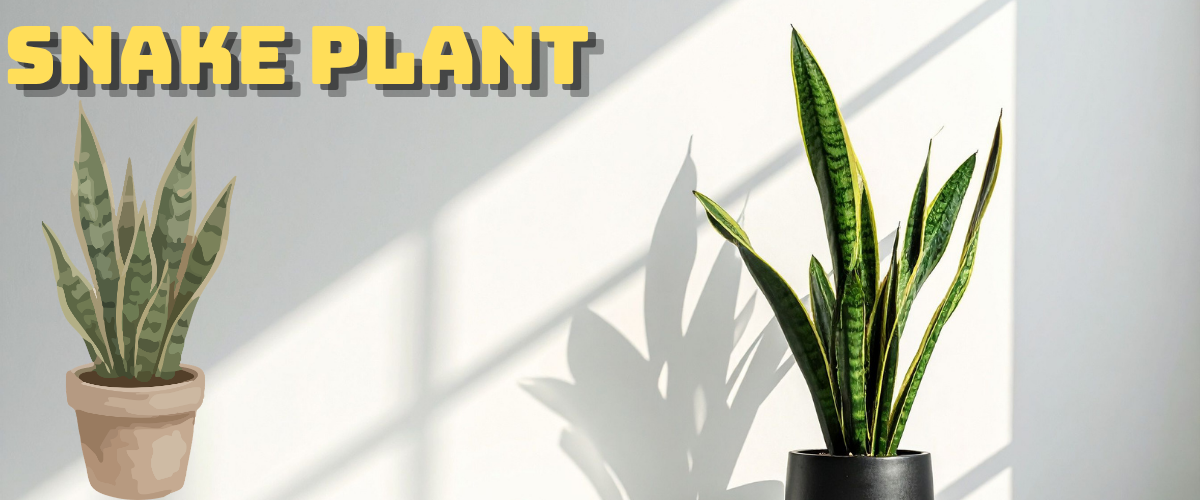
The snake plant is one of the toughest houseplants you can own. It can survive in low light, bright light, and even occasional neglect. Its upright, sword-like leaves make it visually striking while requiring very little attention.
This plant stores water in its leaves, which means it can go weeks without watering. In fact, overwatering is one of the few ways you can harm it. It also tolerates poor soil conditions better than most plants.
Snake plants are great for bedrooms, offices, or corners with limited sunlight. They grow slowly, so you will not need to repot or prune them often.
Care Tip: Let the soil dry out completely before watering again.
Pothos
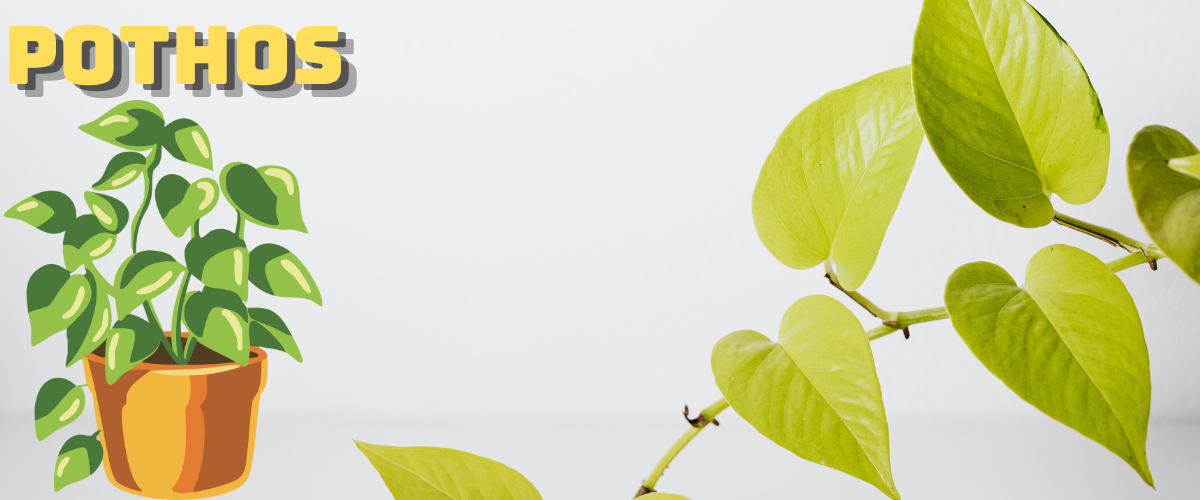
Pothos is known for its trailing vines and heart-shaped leaves. It grows quickly and adapts to a wide range of conditions, making it perfect for beginners.
It can thrive in both bright and low light, though brighter light encourages faster growth. Pothos also gives clear signals when it needs water, as its leaves will slightly droop.
This plant is ideal for hanging baskets or shelves where the vines can cascade naturally. It is also easy to propagate, which means you can grow new plants from cuttings.
Quick Tips:
Water when the top inch of soil feels dry
Trim vines to control growth
Place in indirect light for best results
ZZ Plant
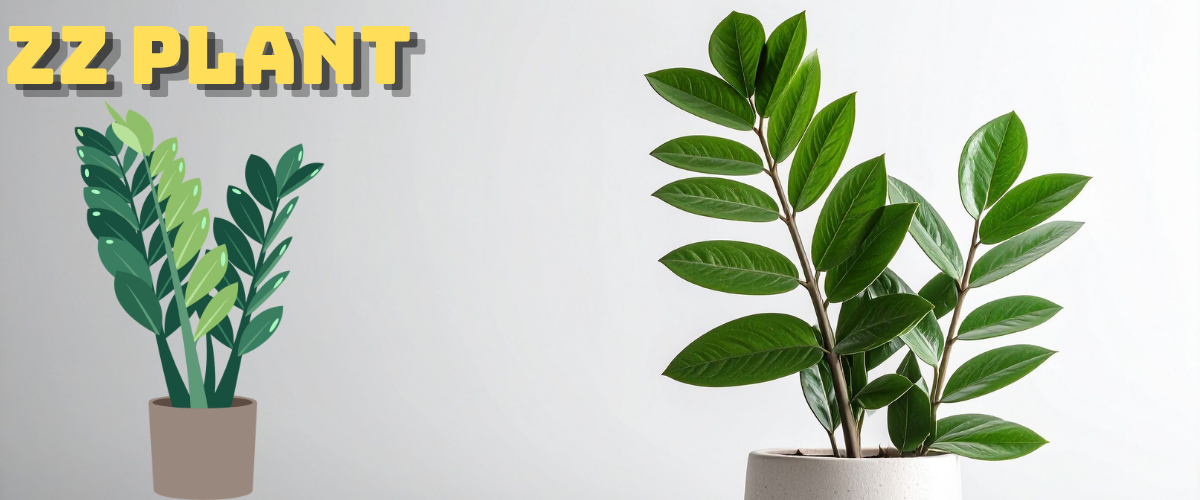
The ZZ plant is almost indestructible. It has thick, waxy leaves and underground rhizomes that store water, allowing it to survive long periods without care.
It thrives in low-light environments and does not need frequent watering. This makes it perfect for offices or rooms with minimal sunlight.
One of its biggest strengths is its ability to handle neglect. Even if you forget about it for a while, it will usually bounce back without issue.
Important: Avoid overwatering, as this is the most common cause of problems.
Spider Plant
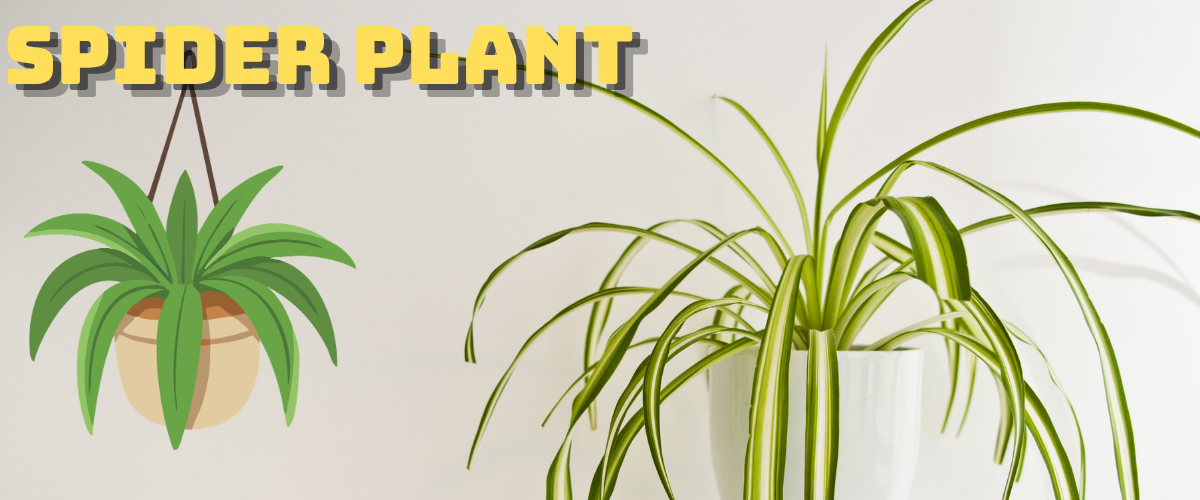
Spider plants are known for their arching leaves and small offshoots, often called “babies.” They are easy to grow and adapt well to different environments.
They prefer bright, indirect light but can tolerate lower light conditions. They also grow relatively quickly, which makes them rewarding for beginners.
Spider plants are excellent for improving indoor air quality and are safe for most households.
Example: A spider plant placed near a window can produce multiple offshoots within a few months, giving you free new plants.
Aloe Vera
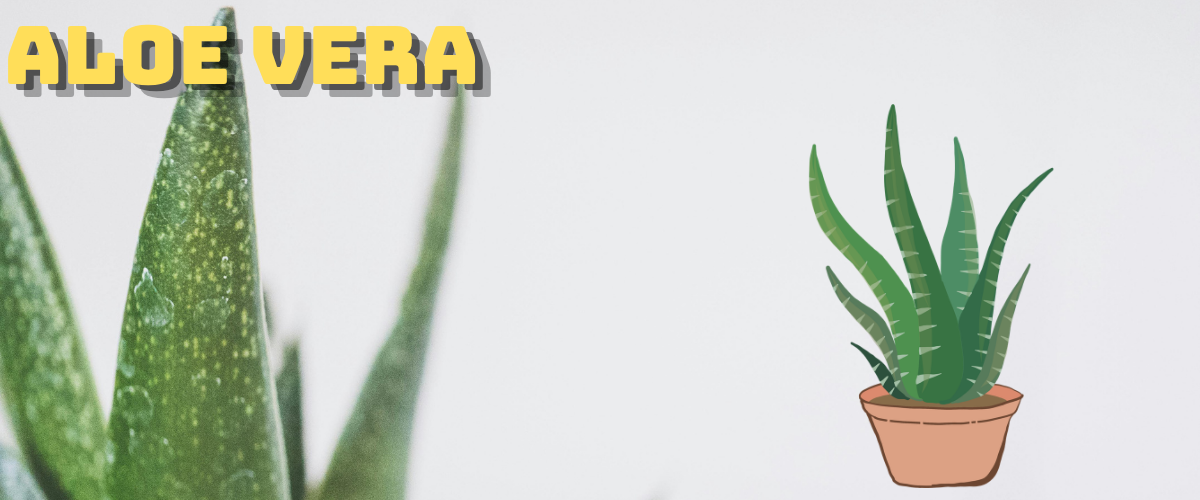
Aloe vera is both decorative and practical. Its thick, fleshy leaves store water, making it highly drought-tolerant.
It prefers bright light and does best near a sunny window. Watering should be infrequent, as too much moisture can cause root rot.
Aloe is also known for its soothing gel, which can be used for minor skin irritation.
Care Tip: Water deeply but only when the soil is completely dry.
Peace Lily
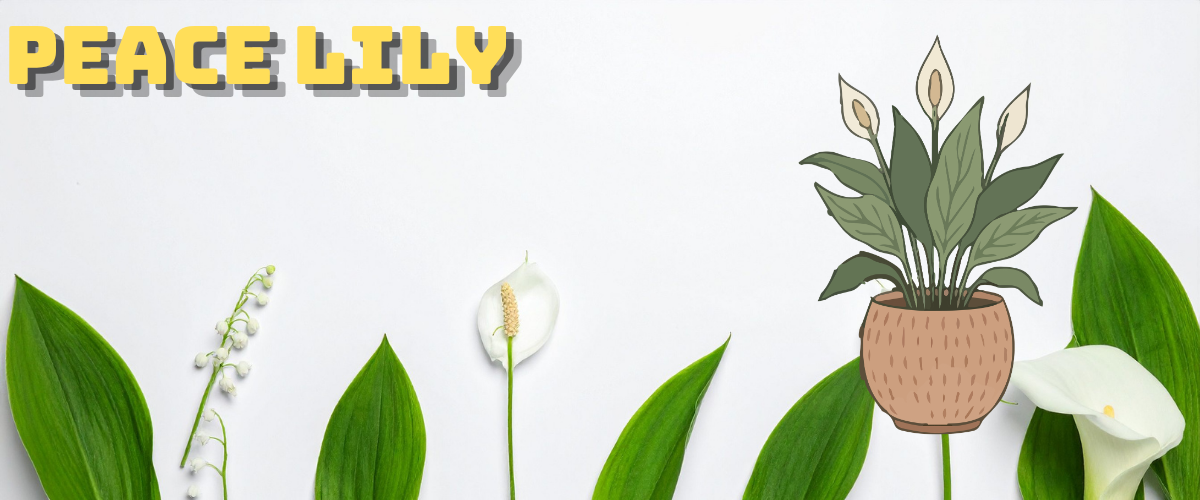
Peace lilies are popular for their elegant white blooms and glossy leaves. They are relatively low-maintenance and can tolerate lower light conditions.
They are also very expressive. When they need water, their leaves will droop noticeably, making it easy to know when to act.
Peace lilies prefer slightly moist soil but can recover quickly if you forget to water them occasionally.
How to Fix It: If the leaves droop, water thoroughly and they should perk up within hours.
Jade Plant
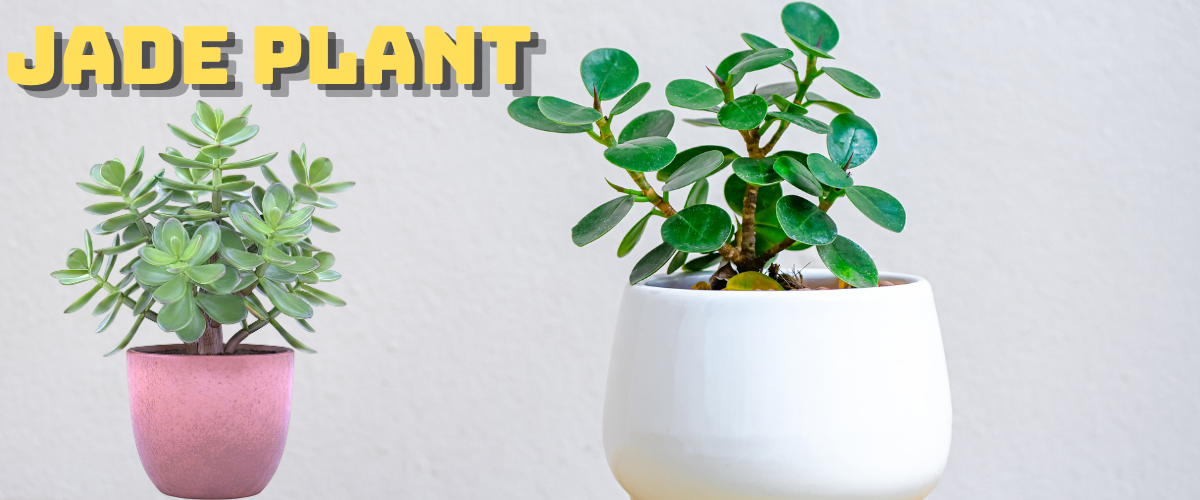
Jade plants are succulents that are known for their thick, oval leaves and tree-like structure. They are slow-growing but very long-lasting.
They prefer bright light and minimal watering. Like other succulents, they store water in their leaves, which reduces the need for frequent care.
Jade plants are often associated with good luck and can become a long-term addition to your home.
Important: Too much water can cause leaves to fall off.
Cast Iron Plant
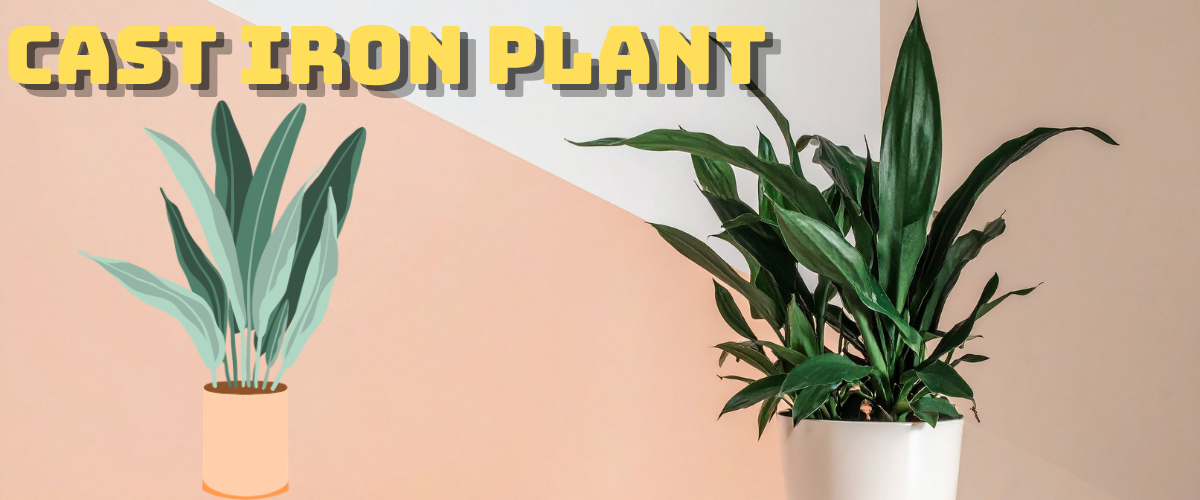
The cast iron plant lives up to its name. It can tolerate low light, poor soil, and inconsistent watering without much trouble.
This plant is ideal for areas where other plants struggle, such as dark corners or rooms with little natural light.
It grows slowly but steadily, requiring very little intervention.
Quick Tips:
Water occasionally, not frequently
Keep in low to moderate light
Avoid direct sunlight
Rubber Plant
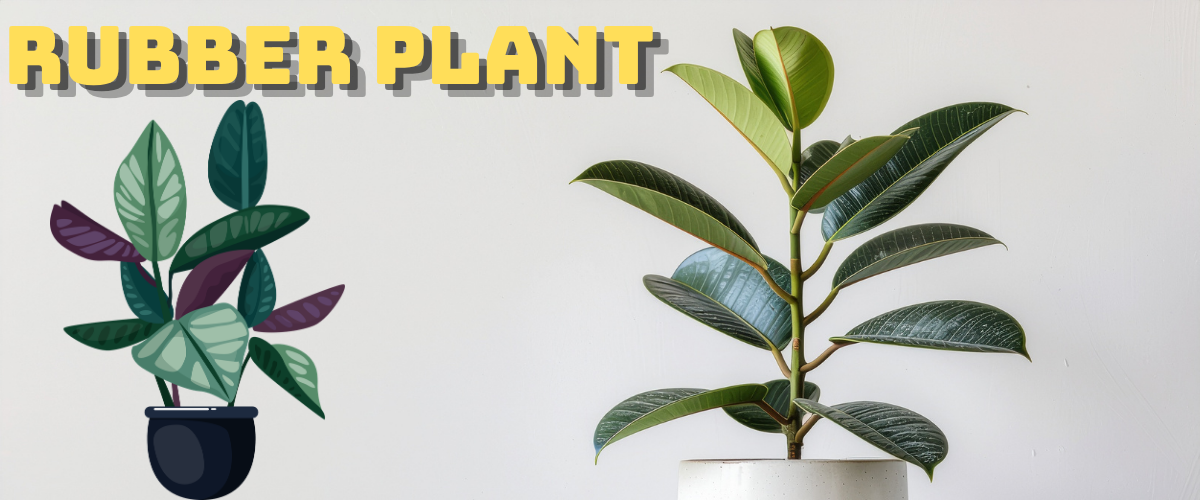
Rubber plants have large, glossy leaves that add a bold look to any space. Despite their appearance, they are quite easy to care for.
They prefer bright, indirect light but can adapt to slightly lower light conditions. Watering should be moderate, allowing the top layer of soil to dry out between sessions.
Rubber plants can grow tall over time, making them a great statement piece.
Example: A rubber plant placed in a living room corner can grow into a small indoor tree with minimal upkeep.
Succulents (Various Types)
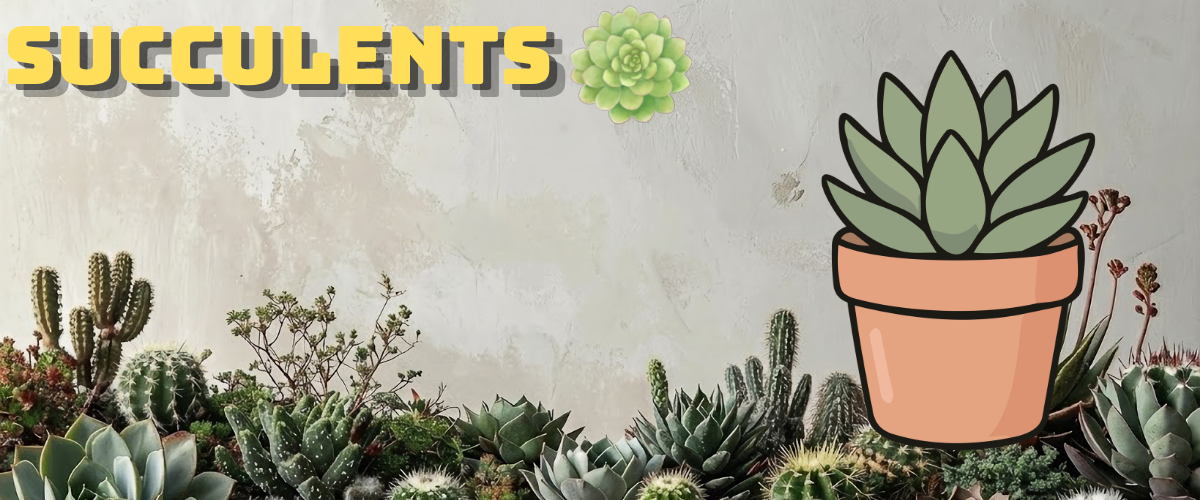
Succulents come in many shapes and sizes, but they all share a key trait: water storage. This makes them extremely low-maintenance.
They prefer bright light and well-draining soil. Watering should be infrequent, usually only when the soil is completely dry.
Succulents are perfect for desks, windowsills, or small decorative arrangements.
Care Tip: Use pots with drainage holes to prevent excess moisture buildup.
Conclusion
Low-maintenance plants make it easy to enjoy greenery without turning it into a chore. By choosing plants that are naturally resilient, you reduce the chances of failure and increase your confidence as a plant owner. From hardy snake plants to adaptable pothos and drought-tolerant succulents, there are plenty of options that fit almost any lifestyle.
The key is to match the plant to your environment and habits. Start simple, observe how your plants respond, and adjust as needed. With the right choices, you can build a thriving indoor garden that requires very little effort but offers lasting rewards.
Art by:
@truecreatives @auchara @gettyimages @gettyimages @gondola-1990 @jrdesign-team @kyootieskwaii @liudmyla-vasylieva @marboot @nikastock @nikastock @pexels @pixabay @rbyriyandra @sunriserain