
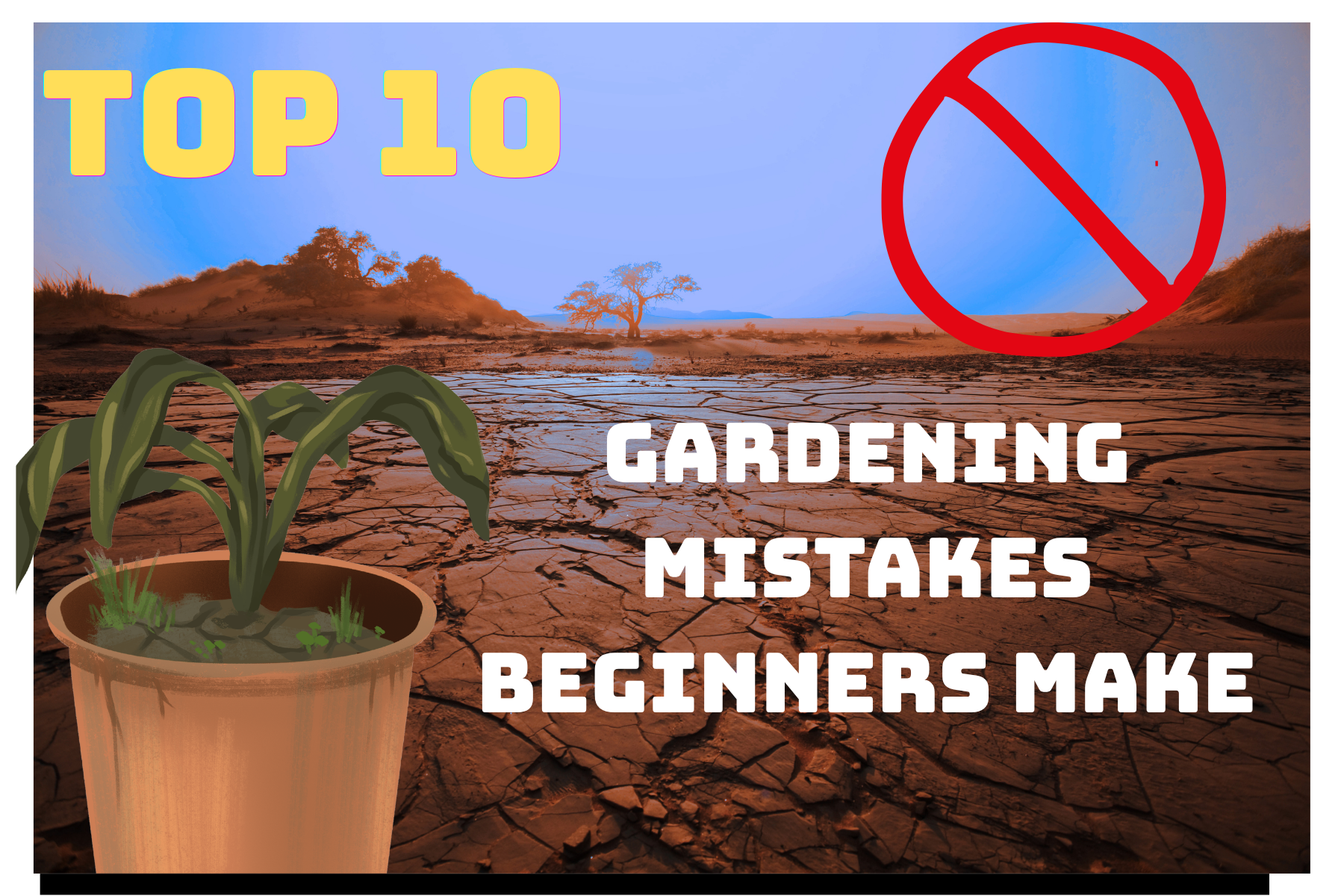
10 Gardening Mistakes Beginners Make (And How to Avoid Them)
Introduction
Starting a garden sounds simple. You plant some seeds, water them, and wait for everything to grow. In reality, many beginners run into frustrating problems that can make gardening feel confusing or even discouraging. Plants fail to grow, leaves turn yellow, or entire beds struggle despite your effort. These issues are usually not caused by a lack of effort, but by a few common mistakes that are easy to overlook when you are new.
Understanding these mistakes early can save you time, money, and a lot of trial and error. Gardening is a skill that improves with knowledge and experience, and small adjustments can make a big difference in results. In this guide, you will learn the most common beginner gardening mistakes, why they happen, and how to fix them with practical steps you can apply right away. By the end, you will feel more confident and prepared to grow healthy plants successfully.
Beginner Overview
Before diving into mistakes, it helps to understand a few basic gardening concepts. Plants need a balance of sunlight, water, soil quality, and nutrients to grow properly. If even one of these is off, growth can suffer.
Sunlight is one of the most important factors. Some plants need full sun, which means at least six hours of direct light per day. Others prefer partial shade. Watering is another key area. Too much water can be just as harmful as too little, since roots need oxygen as well as moisture.
Soil is more than just dirt. Good soil holds nutrients, drains well, and supports root growth. You may hear terms like drainage, compost, and pH. Drainage refers to how quickly water moves through the soil. Compost is organic matter that improves soil quality. pH measures how acidic or alkaline your soil is, which affects how plants absorb nutrients.
As a beginner, focus on getting these basics right. Choose plants suited to your environment, learn their needs, and pay attention to how they respond. Gardening becomes much easier when you understand what your plants are trying to tell you.
1. Choosing the Wrong Plants for Your Climate
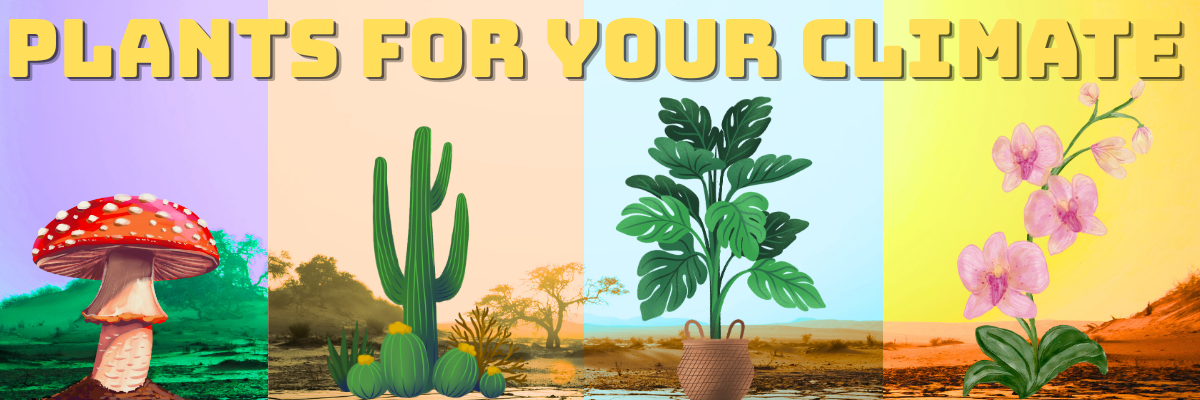
One of the most common mistakes beginners make is picking plants based on appearance rather than suitability. A plant may look great at the store or online, but that does not mean it will thrive in your local climate.
This mistake often happens because new gardeners are not aware of hardiness zones or seasonal limitations. Every plant has specific temperature and weather conditions it can tolerate. If those conditions are not met, the plant may struggle, grow slowly, or die completely.
The problem this creates is wasted time and money. You may think you are doing something wrong when in reality the plant was never a good match for your environment.
For example, trying to grow a heat-loving plant in a cooler region can lead to weak growth and poor yields. On the other hand, plants that require cold periods may not perform well in consistently warm areas.
How to fix it:
Research your local climate and choose plants that are known to grow well in your area. Look up your hardiness zone and read plant labels carefully. Start with beginner-friendly plants that are proven to be reliable in your region.
2. Overwatering Plants
Many beginners believe that more water equals healthier plants. In reality, overwatering is one of the fastest ways to damage or kill them.
This mistake usually comes from good intentions. New gardeners want to care for their plants and assume frequent watering is helpful. However, roots need oxygen as much as they need water. When soil stays constantly wet, roots can suffocate and begin to rot.
The result is often yellowing leaves, wilting, and stunted growth. Ironically, overwatered plants can look like they are underwatered, which leads beginners to add even more water.
A common scenario is watering on a fixed schedule instead of checking the soil. This can quickly lead to excess moisture.
How to fix it:
Check the soil before watering. Stick your finger about an inch into the soil. If it feels dry, water the plant. If it still feels moist, wait. Make sure your pots or garden beds have good drainage so excess water can escape.
3. Planting in Poor Soil
Soil quality is often overlooked by beginners, but it plays a major role in plant health. Using poor soil can limit growth no matter how well you water or care for your plants.
This mistake happens because many people assume all soil is the same. In reality, soil varies widely in texture, nutrients, and drainage ability. Some soils are too sandy and do not hold water well, while others are too dense and retain too much moisture.
The result is weak root development, nutrient deficiencies, and overall poor plant performance. Plants may grow slowly or fail to produce flowers or fruits.
For example, planting vegetables in compacted soil can prevent roots from spreading properly, leading to smaller yields.
How to fix it:
Improve your soil by adding compost or organic matter. This helps balance moisture retention and drainage while providing nutrients. If you are using containers, choose a high-quality potting mix rather than regular garden soil.
4. Ignoring Sunlight Requirements
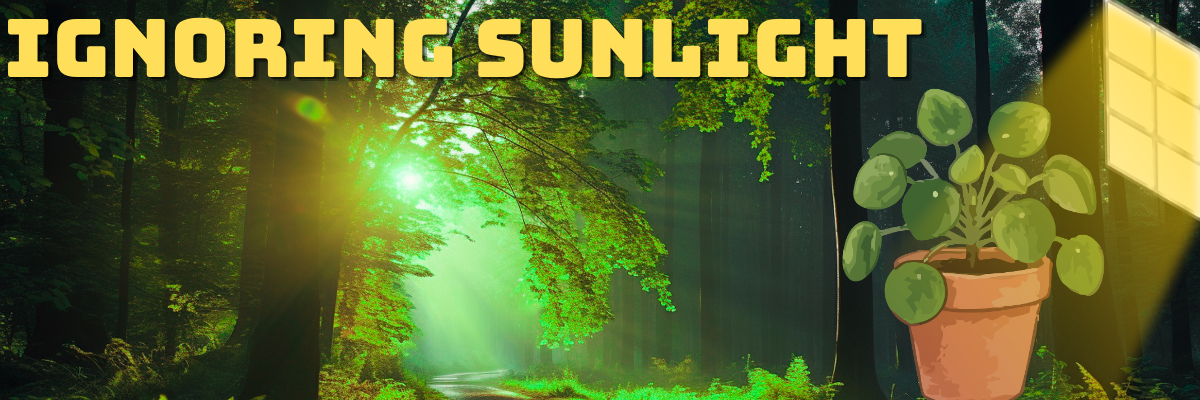
Not all plants need the same amount of sunlight, yet beginners often plant without considering this.
This mistake happens when people place plants wherever there is space rather than where conditions are suitable. A plant that needs full sun placed in a shaded area will struggle, while a shade-loving plant in direct sunlight may burn.
The consequence is poor growth, fewer flowers, and unhealthy foliage. Plants may become leggy as they stretch toward light, or leaves may develop scorch marks.
For example, herbs like basil need plenty of sunlight. If grown in shade, they may become weak and produce less flavor.
How to fix it:
Observe how much sunlight your garden receives throughout the day. Match plants to those conditions. Use labels or online guides to understand each plant’s light needs before planting.
5. Planting Too Close Together
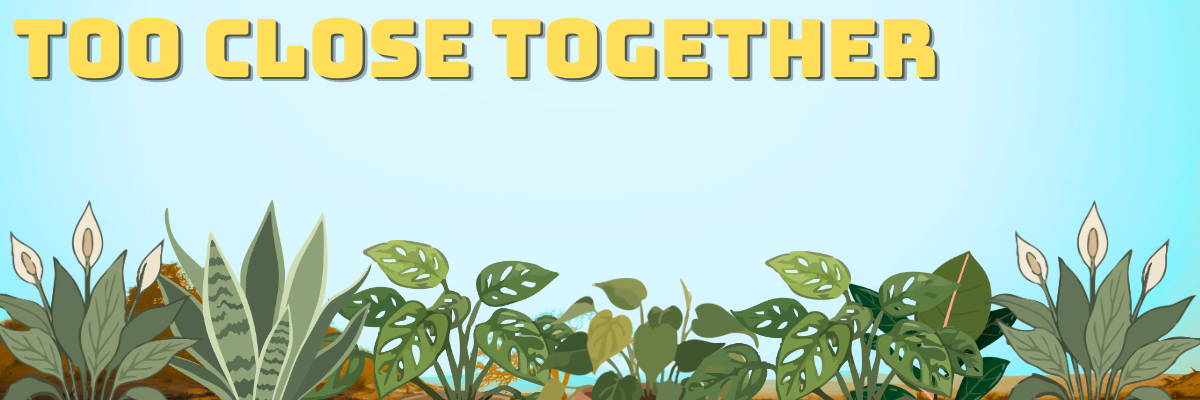
It is tempting to plant many seeds or plants in a small space to maximize your garden. However, overcrowding can create more problems than benefits.
Beginners often underestimate how large plants will grow. When plants are too close, they compete for light, water, and nutrients.
This leads to weaker plants, reduced airflow, and a higher risk of disease. Crowded plants also make it easier for pests to spread.
For example, vegetables like tomatoes need space to grow and proper airflow to stay healthy. Planting them too close can lead to fungal issues.
How to fix it:
Follow spacing recommendations on seed packets or plant labels. It may feel like you are leaving too much space at first, but plants will fill it in as they grow.
6. Skipping Regular Maintenance
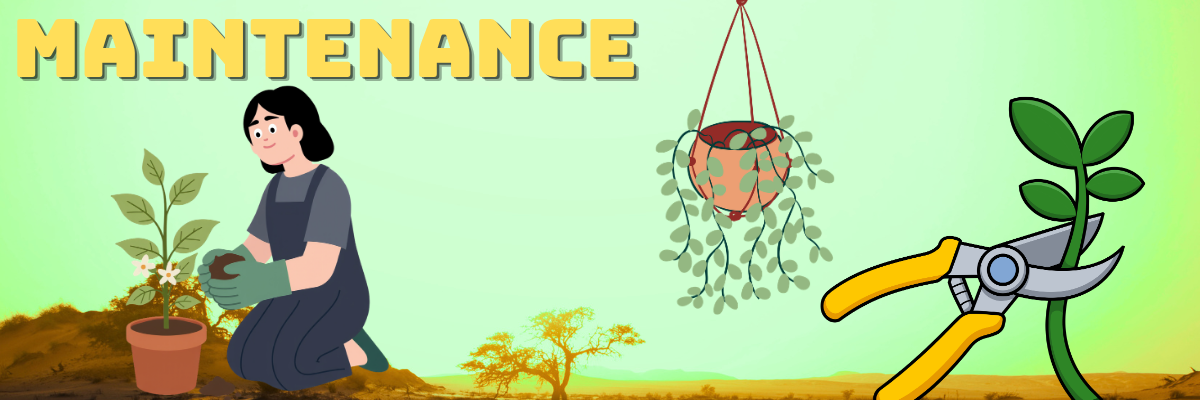
Gardening is not a one-time task. It requires consistent attention, which beginners sometimes overlook.
This mistake happens when people plant their garden and assume it will take care of itself. Without regular care, weeds can take over, pests can spread, and plants can become unhealthy.
The result is a garden that declines over time despite a strong start. Weeds compete for nutrients and water, while pests can damage leaves and stems.
For example, ignoring weeds for a few weeks can allow them to dominate your garden beds.
How to fix it:
Set aside a small amount of time each week to check your garden. Remove weeds, inspect plants for pests, and trim dead leaves. Regular maintenance keeps small problems from becoming big ones.
7. Using Too Much Fertilizer
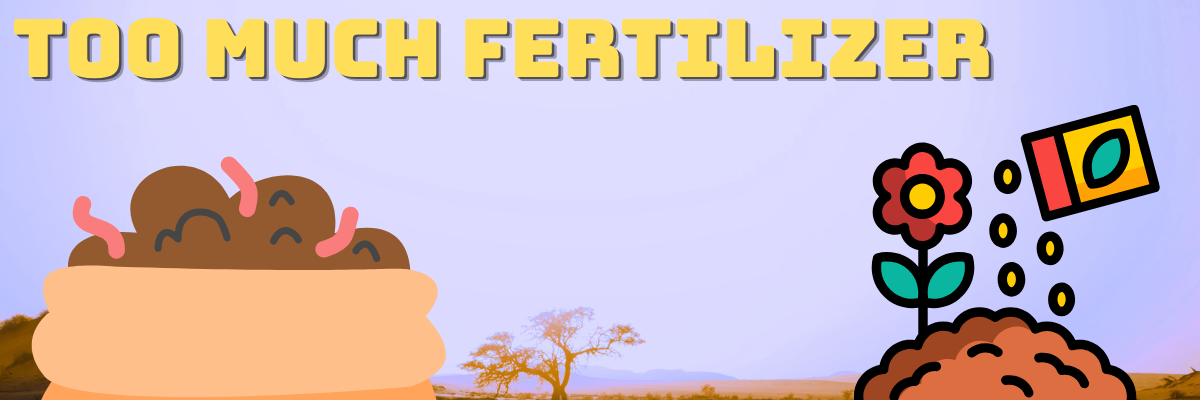
Fertilizer can help plants grow, but too much can do more harm than good.
Beginners often think that adding more nutrients will speed up growth. In reality, excess fertilizer can burn roots and disrupt plant balance.
This can lead to rapid but weak growth, fewer flowers, and damaged roots. Plants may look lush at first but become fragile over time.
For example, over-fertilizing leafy plants may produce lots of leaves but very little fruit.
How to fix it:
Follow recommended amounts on fertilizer labels. Use it sparingly and only when needed. Consider using compost as a more balanced and gentle way to improve soil fertility.
8. Not Understanding Plant Growth Cycles
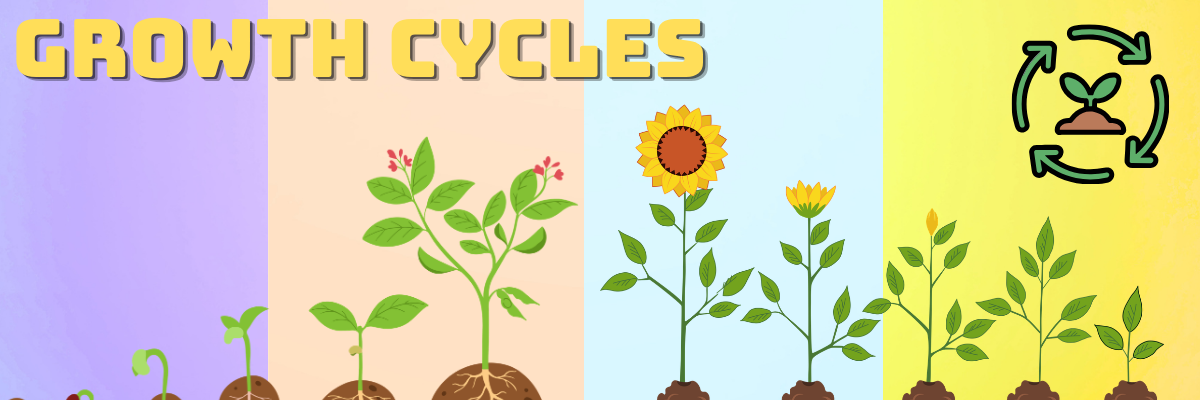
Plants go through natural growth stages, and beginners often expect constant results.
This mistake happens when people expect immediate growth or continuous flowering. In reality, plants have periods of growth, rest, and sometimes dormancy.
The result is frustration when plants do not behave as expected. You may think something is wrong when the plant is simply following its natural cycle.
For example, some plants flower only during certain seasons and may look inactive at other times.
How to fix it:
Learn about the life cycle of your plants. Understand when they grow, flower, and rest. This helps you set realistic expectations and provide proper care at each stage.
9. Ignoring Pests Until It Is Too Late
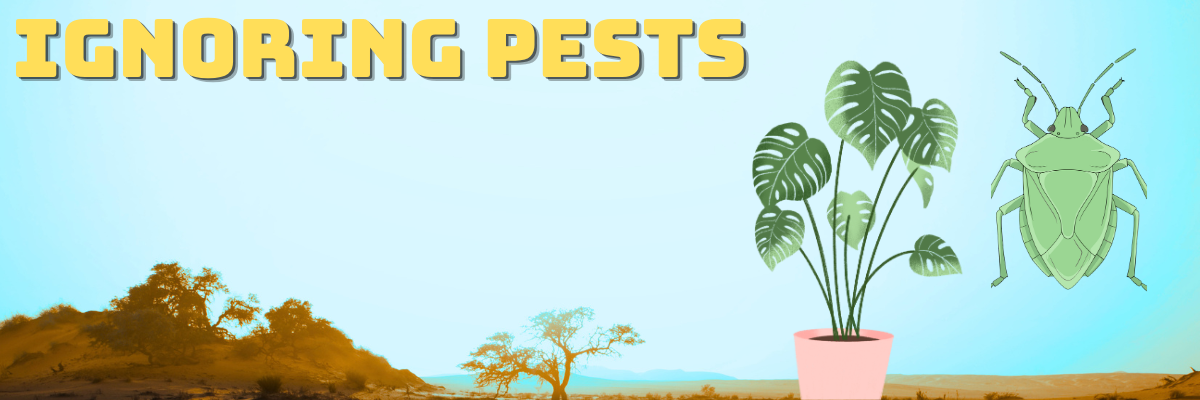
Pests are a normal part of gardening, but ignoring them can lead to serious damage.
Beginners may not notice early signs of pests or may assume the problem will go away on its own. Unfortunately, pests often multiply quickly.
The result is damaged leaves, weakened plants, and reduced yields. Severe infestations can even kill plants.
For example, aphids can spread rapidly and weaken plants by feeding on their sap.
How to fix it:
Inspect your plants regularly for signs of pests such as holes in leaves or sticky residue. Address issues early using simple methods like rinsing plants with water or using natural pest control solutions.
10. Giving Up Too Soon
Gardening has a learning curve, and mistakes are part of the process. Many beginners quit after a few failures.
This mistake happens when expectations are too high. People expect perfect results right away and feel discouraged when things go wrong.
The consequence is missing out on the long-term rewards of gardening. With time and experience, success becomes much more consistent.
For example, a failed crop does not mean you are bad at gardening. It often just means something needs adjustment.
How to fix it:
Treat gardening as a learning experience. Start small, learn from mistakes, and keep improving. Each season will teach you something new that helps you grow better plants.
Conclusion
Gardening can feel overwhelming at first, but most beginner challenges come down to a few common mistakes. By choosing the right plants, managing water properly, improving your soil, and paying attention to sunlight and spacing, you can avoid many early frustrations. Regular maintenance and a willingness to learn will go a long way in building a healthy garden.
Remember that no gardener gets everything right on the first try. Progress comes from observing, adjusting, and staying consistent. Start small, apply one or two of these tips, and build from there. With time, your confidence and results will grow right along with your plants.
Art credit
@azharialr @deemakdaksina @edmond-steubers-images @gambar-luthfil-aziman-effendi @gettyimagespro @goingplace @gondola-1990 @hayoloo @heni-silvias-images @kamchatka @lenikauffman @madanipro @mariial @masjestudio @paulstd @pexels @pixabay @rizkiagita @rorasisters @samiradragonfly @sketchify @slamlabs @tokunana @yuka4llija